



PA6 và PA66 là hai loại nylon kỹ thuật được sử dụng rộng rãi nhất trong linh kiện ô tô, sản phẩm điện và điện tử, máy móc công nghiệp và hàng tiêu dùng. Cả hai vật liệu đều có độ bền cơ học tốt, khả năng chống mài mòn và tính linh hoạt trong xử lý rộng. Tuy nhiên, sự khác biệt trong cấu trúc phân tử của chúng mang lại cho mỗi vật liệu những ưu điểm riêng biệt về khả năng chịu nhiệt, độ cứng, độ bền va đập, khả năng hấp thụ độ ẩm, khả năng xử lý và chi phí.
Do đó, việc lựa chọn giữa PA6 và PA66 không chỉ liên quan đến việc so sánh giá nhựa. Quyết định đúng đắn phụ thuộc vào môi trường vận hành, yêu cầu về hiệu suất, thiết bị xử lý sẵn có, thời gian sử dụng dự kiến và tổng chi phí vòng đời của thành phần đã hoàn thiện.
Sự khác biệt giữa PA6 và PA66 là gì
PA6, còn được gọi là Nylon 6, được sản xuất bằng cách trùng hợp caprolactam. PA66, hoặc Nylon 66, được sản xuất thông qua phản ứng giữa axit adipic và hexamethylenediamine. Mặc dù cả hai đều thuộc họ polyamit, PA66 thường có cấu trúc phân tử chặt chẽ hơn và mức độ kết tinh cao hơn.
Do đó, PA66 thường mang lại độ cứng, độ bền và khả năng chịu nhiệt cao hơn. Mặt khác, PA6 thường mang lại dòng chảy tốt hơn, độ bền va đập cao hơn và xử lý dễ dàng hơn, đặc biệt đối với các bộ phận có thành mỏng hoặc đúc phun phức tạp.
PA6 và PA66: So sánh nhanh
| Tài sản | PA6 | PA66 |
|---|---|---|
| Điểm nóng chảy điển hình | 215–220°C | 255–260°C |
| Độ bền kéo điển hình | 55–65 MPa | 70–80 MPa |
| Mô đun uốn điển hình | 2,5–3,0 GPa | 3,0–3,5 GPa |
| - Độ bền nhiệt khô | Tốt | Cao hơn |
| Stiffness and load stability | Tốt | Cao hơn |
| Impact toughness | Cao hơn | Tốt |
| Moisture absorption | Cao hơn | Lower than PA6 |
| Độ ổn định kích thước | Moderate | Better |
| Injection-molding flow | Better | Lower than PA6 |
| Nhiệt độ xử lý | Lower | Cao hơn |
| Material cost | Lower | Cao hơn |
| Best suited for | General-purpose, thin-walled, impact-resistant parts | Heat-resistant, rigid, load-bearing parts |
Note: These figures are general reference values for unfilled resin. Actual performance varies by grade, reinforcement level, additives, moisture condition, specimen design, and test method.
1. Heat Resistance
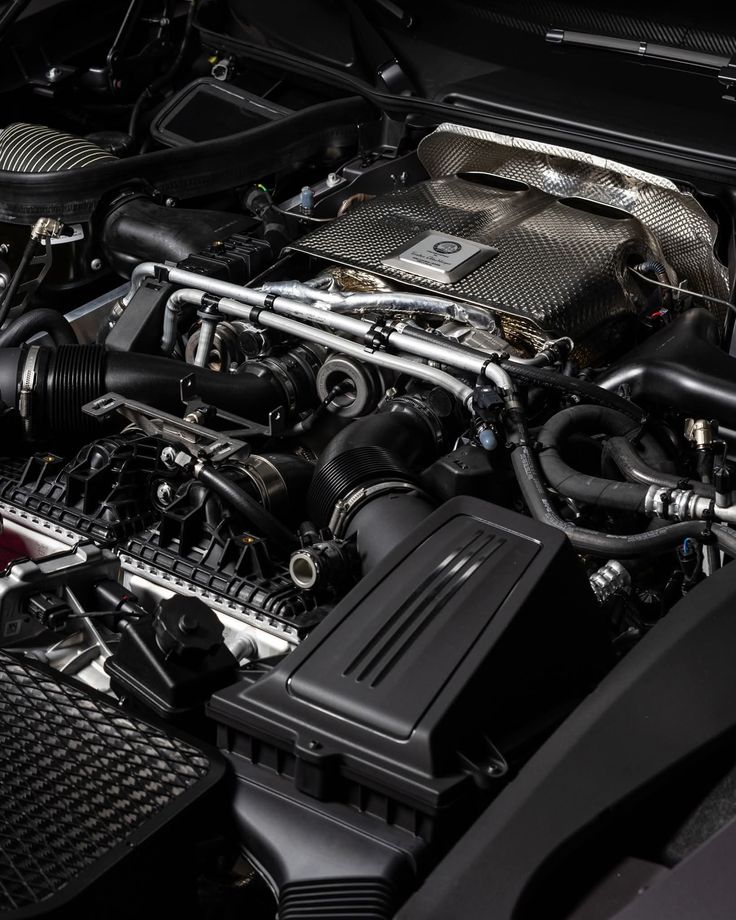
PA66 has a melting point approximately 40°C higher than that of PA6. It also retains its stiffness and mechanical properties more effectively at elevated temperatures. This makes PA66 a preferred option for under-the-hood automotive components, electrical parts, industrial equipment, and products exposed to long-term heat.
PA6 performs well at room temperature and under moderately warm conditions. For applications without severe thermal demands, it can provide sufficient performance while reducing both material and processing costs.
The stated temperature resistance of a material should never be treated as a universal design limit. Continuous operating temperature depends on load, exposure time, moisture, chemical contact, wall thickness, and the specific material formulation.
2. Strength and Stiffness
In unfilled form, PA66 generally has higher tensile strength and flexural modulus than PA6. Its tightly packed molecular structure helps it resist deformation under sustained loads. PA66 is therefore well suited to heavy-duty gears, bearing cages, structural brackets, and precision components that must maintain their shape over time.
PA6 is slightly less rigid but typically more flexible and impact-resistant. This makes it useful for components exposed to vibration, repeated movement, or sudden mechanical shock. When excessive stiffness could increase the risk of brittle failure, PA6 may be the more balanced choice.
3. Moisture Absorption and Dimensional Stability
Like most polyamides, PA6 and PA66 absorb moisture from the surrounding environment. Moisture can change a nylon component’s dimensions, stiffness, strength, and impact behavior. PA6 generally absorbs moisture more readily, so it is more likely to swell or experience dimensional variation.
PA66 usually provides better dimensional stability in humid conditions and may be more suitable for components with tight assembly tolerances. Nevertheless, PA66 is not moisture-proof. Engineers should still account for conditioned dimensions, expected humidity, wall thickness, and tolerance requirements during product design.
For highly moisture-sensitive or precision applications, a stabilized or hydrolysis-resistant grade may be necessary. In some cases, another polyamide family—such as PA12 or a high-performance nylon—may be more appropriate.
4. Impact Toughness
PA6 generally has an advantage in impact toughness. Its molecular chains have greater mobility, allowing the material to absorb and distribute impact energy more effectively. Moisture conditioning can further improve toughness, although it may reduce stiffness and alter dimensions.
This combination makes PA6 suitable for protective housings, clips, snap-fit parts, vibration-resistant components, and products exposed to occasional impact. For demanding low-temperature or high-impact service, impact-modified PA6 can deliver even better resistance to cracking.
5. How Reinforcement and Modification Affect Performance
Glass fiber, impact modifiers, flame retardants, lubricants, and hydrolysis stabilizers can significantly change the performance of both PA6 and PA66. In many real-world projects, the selected compound matters more than the base polymer alone.
- Glass-fiber-reinforced PA6 offers higher stiffness, strength, and heat resistance than unfilled PA6 and is suitable for many general engineering parts.
- Glass-fiber-reinforced PA66 usually provides even greater rigidity, load capacity, and thermal performance for demanding structural applications.
- Impact-modified PA6 is a strong choice for components exposed to shock or low-temperature impact.
- Hydrolysis-resistant PA66 is better suited to long-term exposure to hot water, coolant, or humid heat.
- Flame-retardant grades of either material may be required for electrical and electronic applications.
Material comparisons must always be made between equivalent grades. Comparing unfilled PA6 with glass-filled PA66—or a standard grade with a heat-stabilized compound—does not provide a meaningful basis for selection.
6. Processing and Injection Molding
Processing Temperature
PA6 is commonly processed at a melt temperature of approximately 230–260°C, with mold temperatures often in the 40–60°C range. PA66 typically requires a melt temperature of around 260–290°C and a mold temperature of approximately 60–80°C.
Because PA6 can be processed at lower temperatures, it may reduce energy consumption and work more easily with existing molding equipment. PA66 requires tighter thermal control and equipment capable of maintaining higher barrel and mold temperatures.
These ranges are general references only. The material supplier’s processing data sheet should always take priority.
Flow and Mold Filling
PA6 usually flows more easily than PA66. Its good mold-filling performance makes it attractive for thin walls, fine ribs, long flow paths, and complex geometries. Better flow can also reduce the risk of incomplete filling in areas far from the gate.
PA66 generally has a narrower processing window and may require higher injection pressure. Poorly controlled temperature, pressure, venting, or mold design can result in short shots, visible weld lines, internal stress, or thermal degradation.
Drying Before Processing
Both PA6 and PA66 must be dried correctly before molding. Excess moisture can cause hydrolytic degradation during processing, reducing molecular weight and mechanical strength. It may also produce splay, bubbles, surface defects, and inconsistent part quality.
Drying temperature, drying time, and acceptable moisture content vary by grade. Processors should follow the supplier’s technical data rather than relying on one drying setting for every nylon compound.
7. Cost and Lifecycle Value
PA6 normally has a lower raw-material price and requires less processing heat. It is often the more economical choice for general-purpose components, cost-sensitive products, and applications with moderate service conditions.
PA66 has a higher initial material and processing cost. However, its greater heat resistance, stiffness, and long-term load stability can extend component life in demanding applications. A higher purchase price may therefore result in better overall value when failure, maintenance, or machine downtime would be expensive.
A useful cost comparison should include:
- Resin and additive costs;
- Drying and molding energy;
- Cycle time and production output;
- Scrap and rejection rates;
- Mold or equipment requirements;
- Expected component life;
- Maintenance and replacement costs;
- The cost of product failure or production downtime.
8. When Should You Choose PA6?
PA6 is generally the better choice when the application involves one or more of the following conditions:
- Material cost is a major consideration;
- The part operates at low or moderate temperatures;
- High impact toughness or flexibility is required;
- The geometry includes thin walls, fine details, or long flow paths;
- Good surface appearance and easy mold filling are important;
- Available equipment is not designed for very high processing temperatures;
- The component carries a light or moderate mechanical load.
Typical applications include covers, adjustment knobs, clips, interior automotive parts, light-duty gears, rollers, and general consumer components.
9. When Should You Choose PA66?
PA66 should be considered when the component requires:
- Long-term performance at elevated temperatures;
- High strength and rigidity;
- Better resistance to creep and deformation under load;
- Greater dimensional stability in humid environments;
- Long service life and high reliability;
- Use in automotive engine areas, electrical equipment, or heavy machinery.
Common applications include heavy-duty gears, bearing cages, under-the-hood components, circuit-breaker parts, heat-resistant electrical connectors, and precision mechanical structures.
10. Selection by Industry
Automotive
PA6 is often suitable for interior trim, protective covers, clips, and parts located away from high-temperature zones. PA66 is generally preferred for under-the-hood components, load-bearing structures, and parts that must retain their properties as temperatures rise.
Electrical and Electronics
PA6 can be used for general connector housings and equipment covers. PA66 is often selected for circuit-breaker components, heat-resistant connectors, and parts requiring higher stiffness. Electrical projects may also require evaluation of flame rating, electrical insulation, comparative tracking index, and applicable safety certifications.
Industrial Machinery
PA6 works well in light-duty gears, rollers, guides, and impact-resistant parts. PA66 is more appropriate for heavy-duty gears, bearing cages, structural components, and continuous-load applications.
PA6 or PA66 Selection Checklist
Before choosing a material, answer the following questions:
- What are the continuous and peak operating temperatures?
- How much load, vibration, or impact must the part withstand?
- Will the component be exposed to humidity, water, oil, coolant, or chemicals?
- How tight are the dimensional and assembly tolerances?
- Does the design include thin walls or complex geometry?
- Can the molding machine, dryer, and mold-temperature system process PA66 reliably?
- Are flame-retardant, electrical, automotive, or regulatory certifications required?
- Is the priority a lower initial cost or the best total lifecycle value?
- Would a reinforced, impact-modified, heat-stabilized, or hydrolysis-resistant grade be more suitable?
- Has the selected grade been validated in a prototype or production trial?
Conclusion
PA6 stands out for its cost efficiency, impact toughness, good flow, and relatively easy processing. It is an excellent option for general-purpose components, thin-walled designs, complex molded parts, and applications without severe thermal or structural demands.
PA66 offers higher strength, stiffness, heat resistance, and dimensional stability. It is better suited to load-bearing components, elevated-temperature environments, and applications requiring long-term reliability.
Neither material is universally superior. The correct choice depends on the actual service environment, the technical data of the specific grade, processing capability, and testing on the finished design. For critical projects, manufacturers should consult the material supplier and validate prototype parts before beginning mass production.