



Khả năng

Từ phát triển vật chất đến sản xuất nhất quán

Kết hợp kiến ​​thức chuyên môn về vật liệu, năng lực sản xuất, kiểm soát quy trình và xác minh chất lượng để hỗ trợ các ứng dụng trong thế giới thực.

01

Phát triển vật liệu

Phát triển tài liệu xoay quanh yêu cầu thực tế

Chúng tôi bắt đầu bằng cách tìm hiểu ứng dụng, điều kiện xử lý, thuộc tính mục tiêu và yêu cầu kỹ thuật.

Dựa trên tính khả thi về mặt kỹ thuật, công thức vật liệu có thể được điều chỉnh để đạt được sự cân bằng thích hợp về hiệu suất cơ học, khả năng xử lý, độ ổn định kích thước, hình thức và chi phí.

02

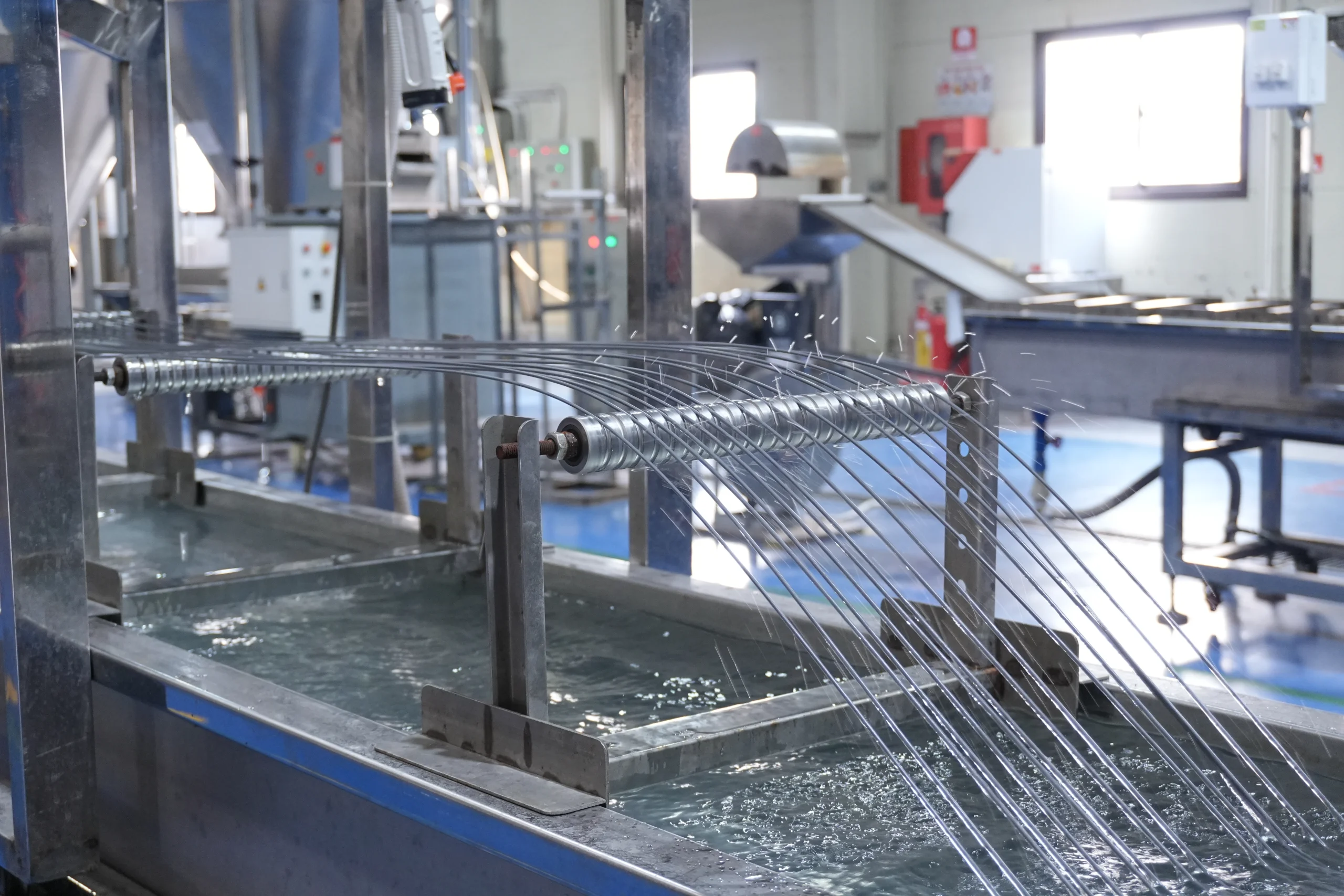
Hợp chất

Hỗn hợp có kiểm soát cho vật liệu kỹ thuật

Quy trình pha chế của chúng tôi được thiết kế để hỗ trợ các vật liệu kỹ thuật dựa trên PA6 và PA66, bao gồm các công thức được gia cố và biến đổi do tác động.

Các thông số xử lý được quản lý theo đặc tính vật liệu và yêu cầu sản xuất để hỗ trợ quá trình sản xuất ổn định và lặp lại.

03

Kiểm soát quá trình

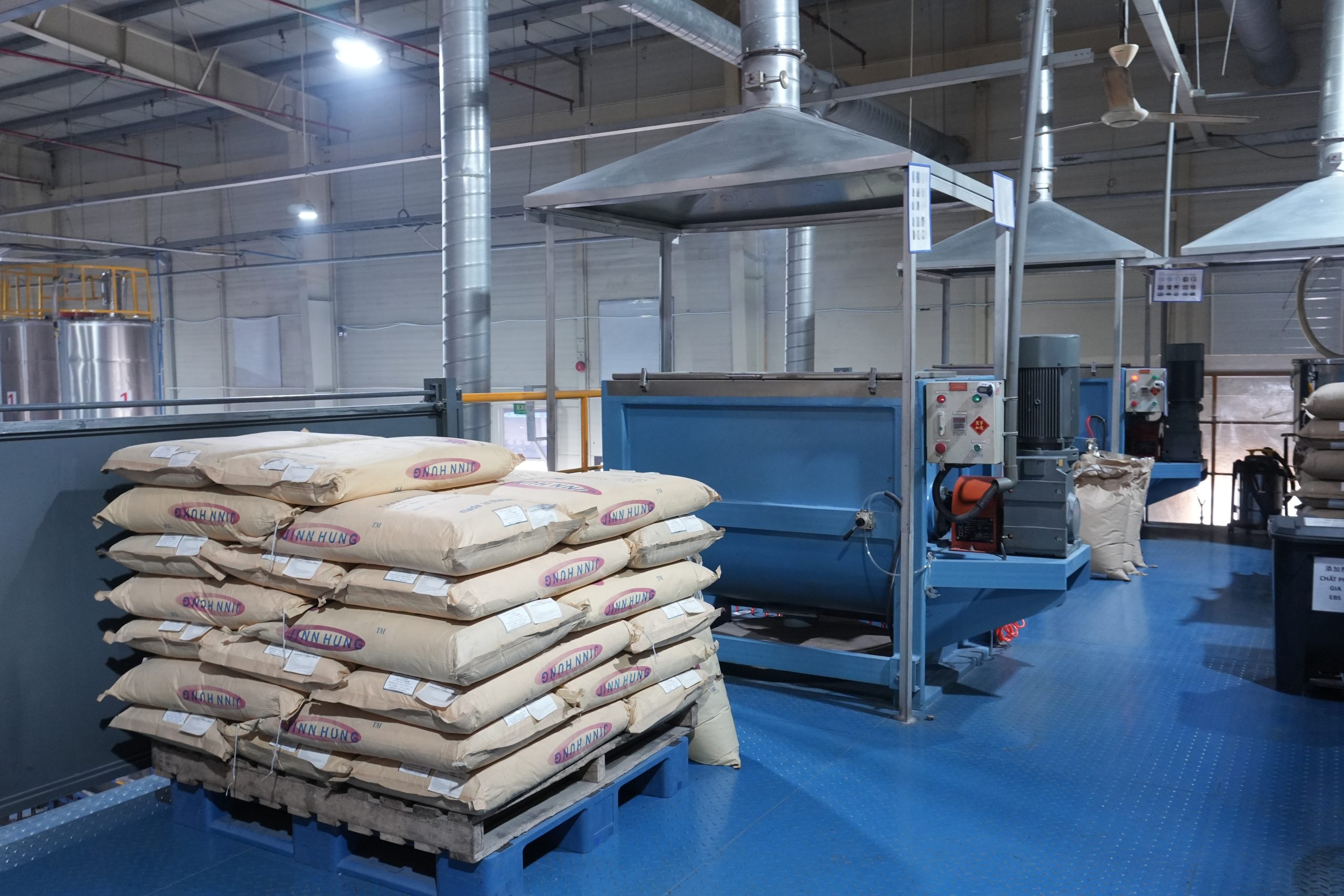
Tính nhất quán bắt đầu từ quy trình

Hiệu suất của vật liệu không chỉ phụ thuộc vào công thức mà còn phụ thuộc vào mức độ kiểm soát nhất quán của quy trình sản xuất.

Chúng tôi tập trung vào các điều kiện sản xuất chính như:

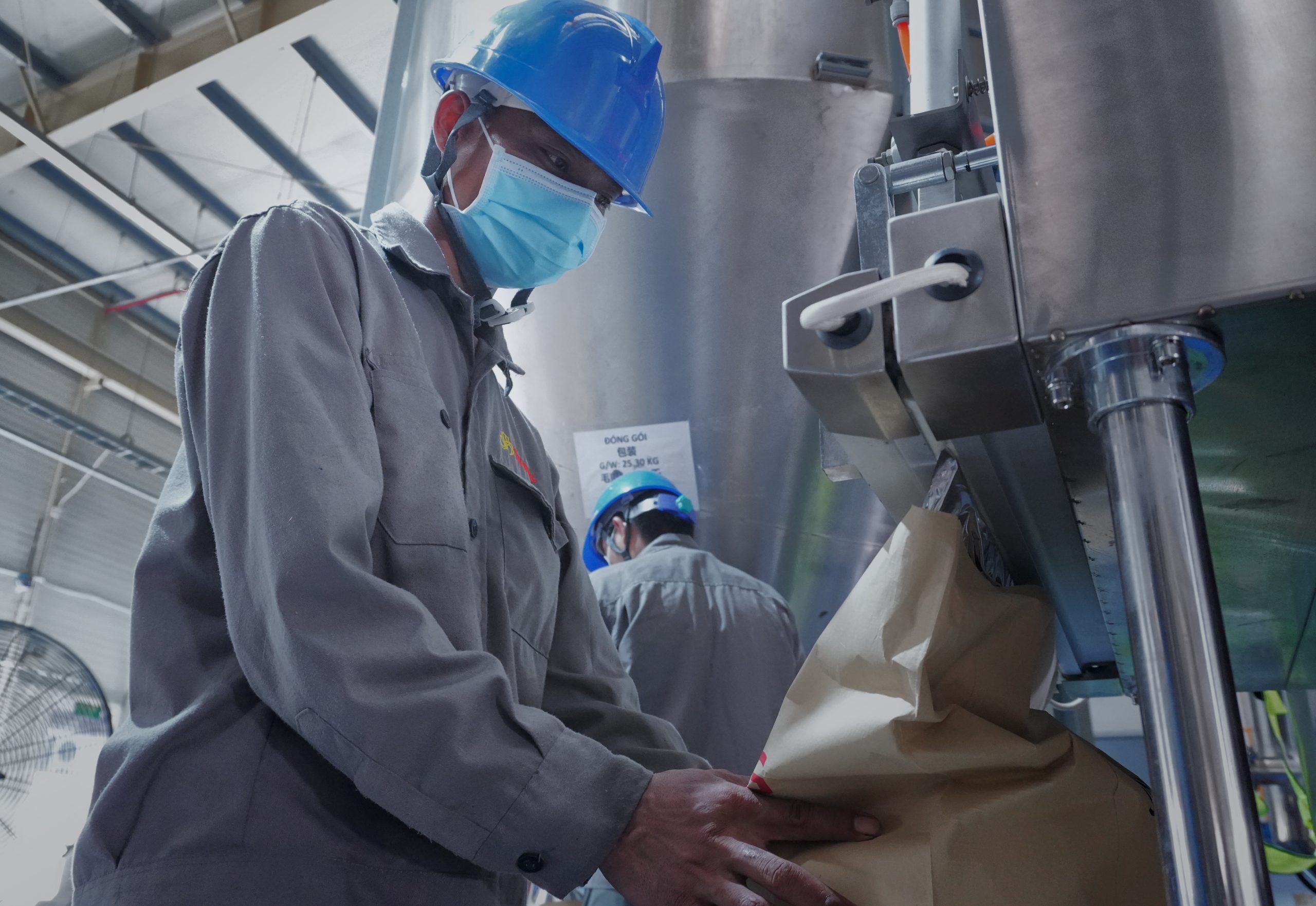
  • Chuẩn bị nguyên liệu
  • cho ăn
  • Nhiệt độ xử lý
  • Tốc độ trục vít
  • Tính ổn định của quy trình
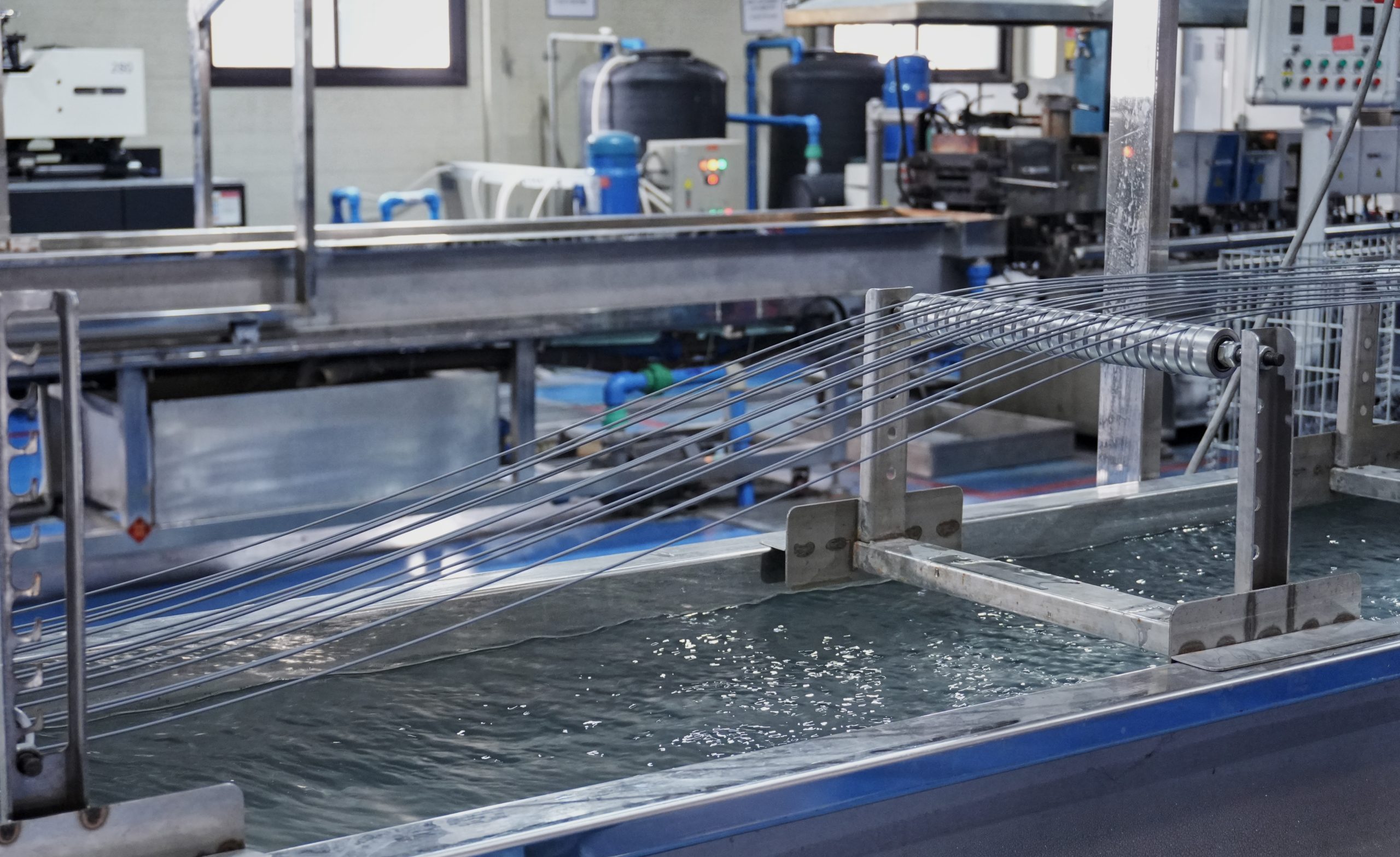
  • làm mát
  • Pelletizing
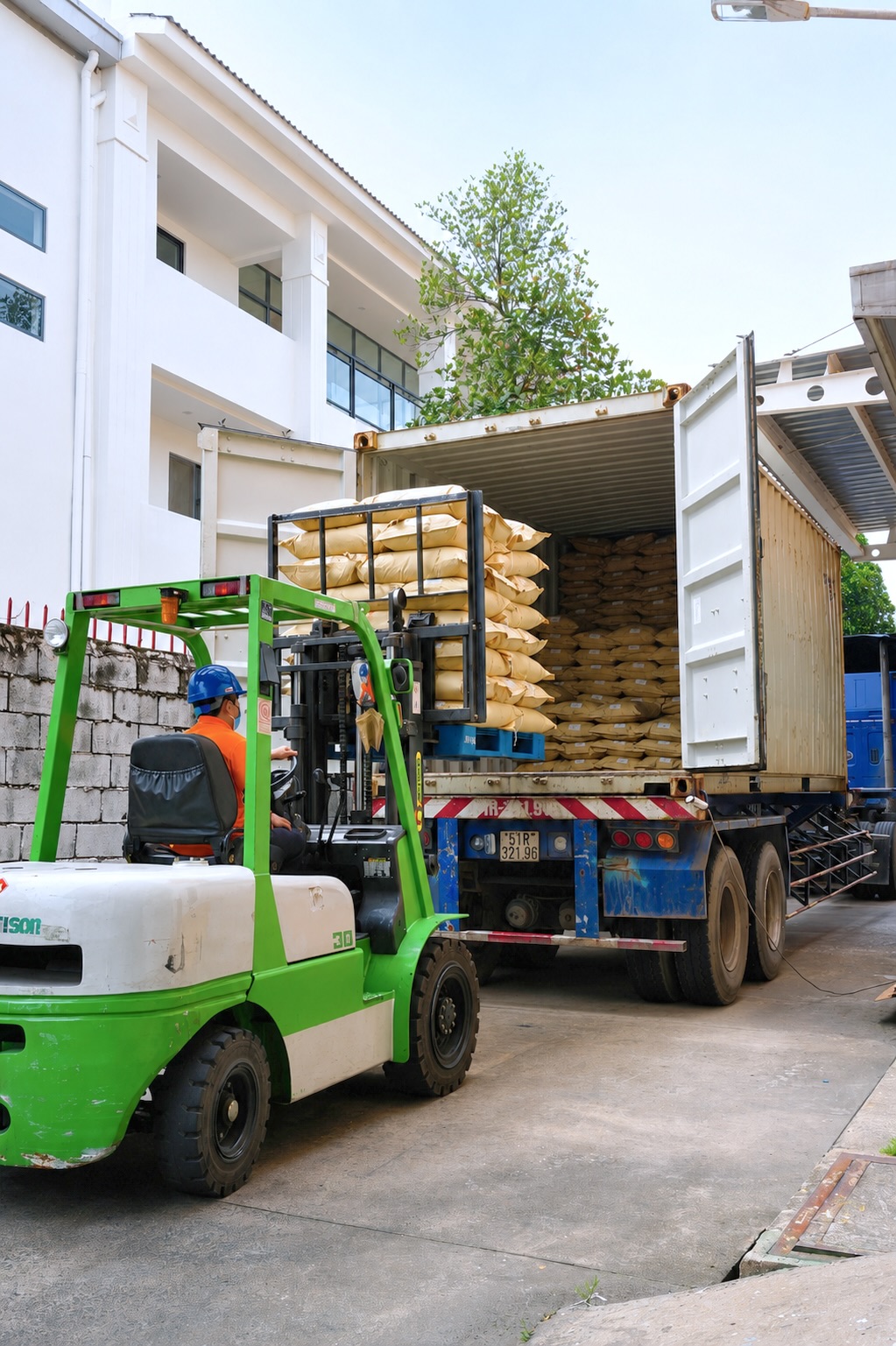
  • Bao bì

Các điều kiện sản xuất liên quan được ghi nhận và quản lý theo yêu cầu kiểm soát nội bộ.

04

Kiểm tra chất lượng

Xác minh dựa trên các yêu cầu đã xác định

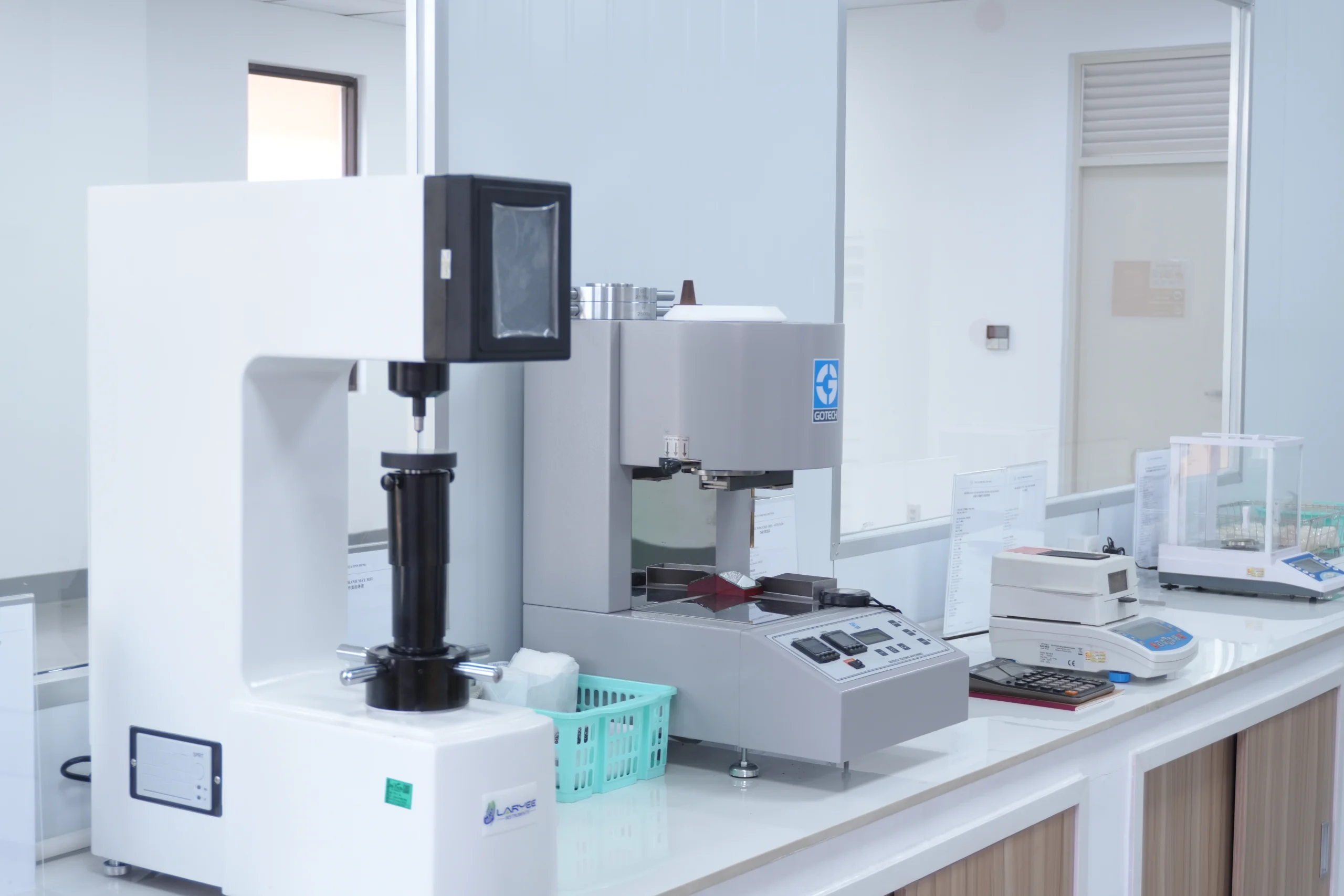
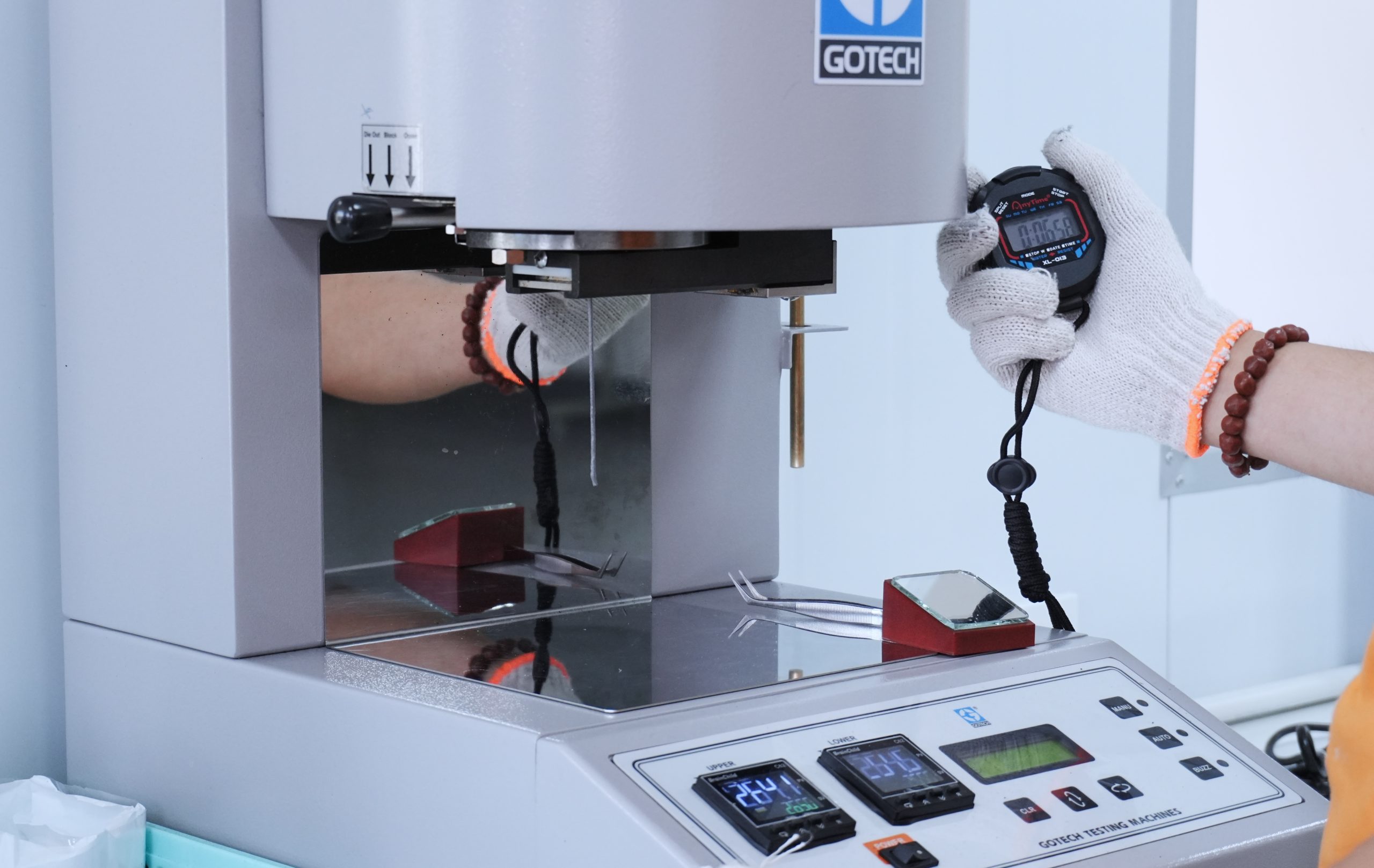
Quality testing is performed according to applicable product specifications, agreed test methods, and customer requirements where relevant.

Depending on the material and specification, evaluation may include:

  • Density
  • Moisture
  • Ash content
  • Melt flow
  • Tensile properties
  • Flexural properties
  • Impact performance
  • Appearance and color
  • Other agreed testing requirements

Test results apply to the specific material, sample preparation, conditioning, and test conditions used.

05

Customized Development

Different Applications Need Different Material Balances

Standard grades do not solve every application requirement.

Based on technical feasibility and agreed development targets, we can work with customers to evaluate adjustments related to:

  • Strength
  • Độ cứng
  • Chống va đập
  • Gia cố sợi thủy tinh
  • Độ ổn định kích thước
  • Processability
  • Appearance
  • Màu sắc
  • Application-specific requirements

Final material approval should be based on agreed specifications and customer validation under actual application conditions.

06

Traceability

Supporting Consistency Through Traceable Records

Traceability is an important part of material and production control.

Relevant production and quality records are maintained according to internal procedures to support batch identification, production review, quality verification, and investigation when required.

07

Application Support

Working From Material to Application

Material selection should consider more than a single property value.

When evaluating a material direction, relevant factors may include:

  • Product design
  • Wall thickness
  • Mechanical load
  • Temperature
  • Impact conditions
  • Moisture
  • Chemical exposure
  • Processing conditions
  • Assembly requirements
  • Applicable customer specifications

Our role is to support customers in evaluating an appropriate material direction based on the available technical information and actual application requirements.

Discuss Your Material Requirements

Let's Develop the
Right Material.

Tell us about your material, product, processing conditions, and performance targets. We can work together to evaluate the appropriate next step.
LIÊN HỆ VỚI CHÚNG TÔI

Important Note

The information presented on this website is for general reference only and does not constitute a product specification, warranty, certification, regulatory approval, or guarantee of fitness for a particular application.

Actual material performance may vary depending on formulation, processing conditions, sample preparation, conditioning, test method, product design, assembly conditions, and end-use environment.

Customers should evaluate and validate the selected material under actual application conditions before commercial use.